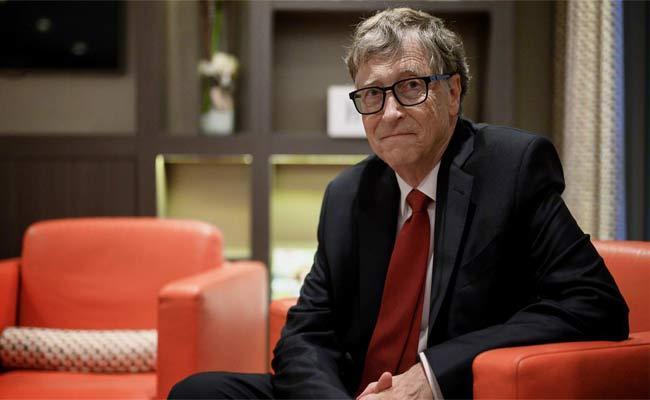
Bill Gates has warned that the world is not adequately prepared for the massive social, political and economic changes that artificial intelligence could bring.
The Microsoft co-founder said AI could become either the “greatest equalizer ever invented” or a major source of inequality, but argued that governments, experts and communities are not doing enough to prepare for the transition.
In an essay published Wednesday, Gates said AI could disrupt jobs across the economy, reduce entry-level opportunities and force governments to rethink employment policies, education systems and social safety nets.
He described AI as one of the most powerful technological shifts in history and warned that the coming transition could be extremely turbulent.
According to Gates, AI is different from earlier technological revolutions because it could replace cognitive work across many industries faster than displaced workers are able to move into new jobs.
He said white-collar jobs in areas such as sales, customer support, software engineering and legal services could be among the first to face pressure. AI could also increasingly handle tasks such as loan assessment, data analysis and even medical triage.
Gates warned that blue-collar jobs would not be immune either, as robots become cheaper and more capable.
He also expressed concern about young people entering the workforce at a time when companies may reduce entry-level hiring because of automation.
Gates said competition between companies could speed up AI adoption. If one business cuts costs by replacing workers with AI or robots, rivals may be forced to follow in order to remain competitive.
He described this as a potential “vicious cycle” that could create major disruption for workers who need time to retrain or find new careers.
At the same time, Gates acknowledged that AI could deliver major benefits. He said the technology could accelerate progress in clean energy, climate change, food production and disease prevention.
To manage the risks, Gates called for new national institutions that could coordinate AI policy across employment, taxation, energy, elections, public health, finance and national security.
He also argued that international cooperation would be essential because many AI risks would cross national borders.
According to Gates, the world may eventually need a new global organisation dedicated to AI governance, drawing lessons from international systems used for nuclear inspections, aviation safety and environmental agreements.
His central warning is that while AI could transform the world for the better, the transition will be extremely disruptive unless governments begin preparing now.