There was a time when working at companies like Meta or LinkedIn was seen as a dream achievement. High salaries, top-class campuses, free food, strong job security and global prestige made these jobs the goal for many tech professionals.
But that confidence is now slowly disappearing.
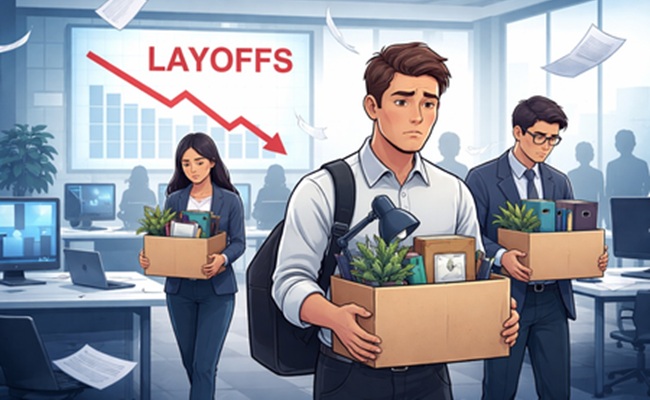
Meta has reportedly laid off around 8,000 employees, while LinkedIn has cut about 600 jobs. More than the job losses, it is the fear and uncertainty inside these companies that is now troubling employees.
Many workers say they are no longer able to plan their future. Simple life decisions like moving to a new house, taking a loan, planning a holiday or even having children are being postponed because employees do not know whether they will still have a job next quarter.
One longtime Meta employee reportedly said that for weeks, he checked his email every morning before deciding whether it was even worth going to office. Another employee said she cries in the shower but puts on a brave face at work.
Inside offices, the atmosphere has changed. Employees are reportedly sharing dark jokes and doomsday memes in group chats as a way of coping with the stress. Some workers also fear that they are helping train AI systems that may eventually replace them.
Ad: Pickles made to order- Free shipping on 3 kg
At Meta, the company’s internal Model Capability Initiative, which tracks how employees use computers to improve AI models, has reportedly triggered petitions and quiet resistance among workers.
Some employees believe they are being monitored more closely at a time when layoffs are already creating anxiety.
Experts say this kind of uncertainty can seriously affect mental health. Sudden job loss, or even the fear of job loss, can lead to anxiety, depression, low self-esteem and an identity crisis, especially for people who are the main earners in their families. Chronic uncertainty can also disturb sleep, increase stress and affect decision-making.
The anxiety is not limited to Meta. At LinkedIn, the platform people use to search for jobs, employees themselves are facing layoffs.
More than 600 employees in California are reportedly being informed that they will lose their jobs this summer, with the Mountain View headquarters among the worst-hit locations.
What is worrying employees even more is that these cuts are happening despite strong revenues in parts of the tech industry. Workers believe companies are reorganising for an AI-first future, reducing teams and simplifying operations even when business is not collapsing.
For years, Big Tech jobs were seen as safe and prestigious. But that image is now broken. The salaries may still be high and the campuses may still look impressive, but the peace of mind once associated with these jobs has disappeared.
For many employees, the real fear is not just losing a job. It is the feeling that they are slowly becoming replaceable in the very companies they helped build.