A major fake degree investigation in India has put the spotlight back on credential verification in the US H-1B visa system.
According to reports, Indian authorities have uncovered a large academic fraud network involving fake university degrees, forged marksheets and counterfeit academic documents.
Nearly 100,000 fake degree certificates and forged records linked to at least 28 universities across India have reportedly been seized.
The case has raised concerns among immigration experts, employers and Indian professionals, as educational qualifications form a key part of the H-1B visa process.
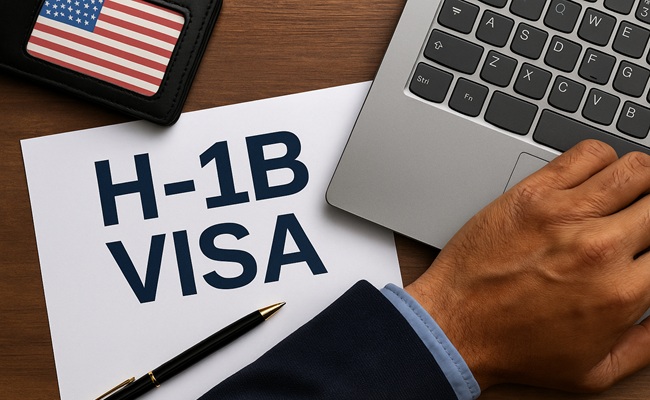
The H-1B visa allows US companies to hire foreign workers for specialised jobs, usually requiring at least a bachelor’s degree or an equivalent qualification.
Since academic credentials are central to eligibility, any large-scale fake degree racket can create serious questions around the verification process.
Reports said officials recovered fake university seals, fabricated transcripts and forged certificates linked to professional fields such as engineering, medicine and nursing. One institution alone is accused of issuing more than 36,000 fraudulent degrees.
Indian investigators are now trying to trace where these fake documents were used. Authorities are examining whether the forged degrees were submitted for jobs, professional licences or visa petitions, both in India and abroad.
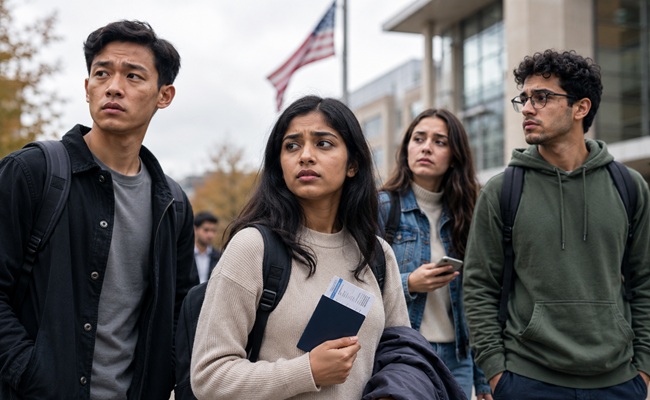
The issue has also revived debate around H-1B visa fraud. Indians form the largest group of H-1B visa holders in the United States, and any such case can create additional scrutiny for genuine applicants.
Immigration advocates, however, caution that isolated fraud cases should not be used to paint all Indian professionals with the same brush.
Thousands of highly qualified Indian workers have entered the US legally and contribute significantly to the American economy.
At the same time, experts say large-scale document fraud can damage trust in the system and may force US authorities and employers to adopt stricter verification methods.
There is already precedent for such action. In one recent case from Ahmedabad, police registered an FIR against a man and an unidentified accomplice for allegedly using forged educational certificates to apply for a US H-1B visa.
The case reportedly came after verification revealed that the submitted degree certificates and marksheets were fake.
So far, no US agency has announced any formal review linked to the latest Indian fake degree probe. However, immigration attorneys believe the case could lead to closer examination of foreign academic credentials and stronger compliance requirements for companies sponsoring H-1B workers.
For genuine applicants, this could mean more documentation, delays and additional verification during the visa process.
The investigation also sends a warning to students, job seekers and visa applicants. Using fake degrees or forged documents can lead not only to visa rejection but also criminal cases, immigration bans and long-term damage to career prospects.
As India and the US continue to deal with skilled immigration challenges, the case shows why transparent and reliable credential verification has become more important than ever.