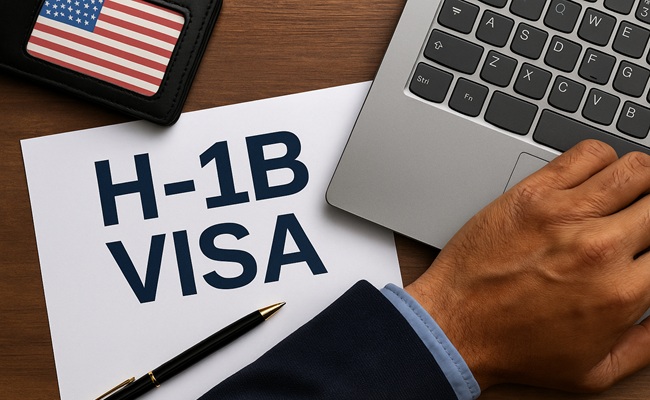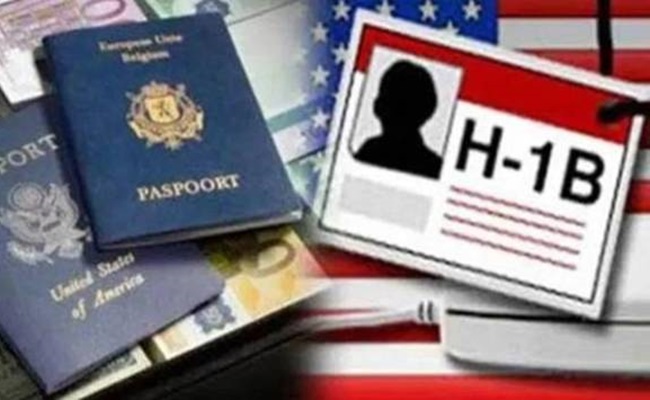
An Indian technology professional who has been stranded in India for nearly 18 months due to an H-1B visa delay has suffered a setback in a US court.
Navdeep Sharma, an employee of Tata Consultancy Services, filed a lawsuit seeking court intervention to speed up the processing of his visa application. However, a US district court dismissed the case, ruling that the delay could not be considered legally unreasonable.
According to court documents, Sharma had been living in Georgetown, Texas, with his wife and two children, who are US citizens. He had been working for TCS in the United States since 2021.
In December 2023, TCS filed a petition seeking to extend his H-1B status until March 2027. The petition was approved by US Citizenship and Immigration Services in early 2024, and Sharma submitted his DS-160 visa application in November that year.
In January 2025, Sharma travelled to Hyderabad for his visa interview. Following the interview, his application was refused under Section 221(g), and he was asked to undergo a medical examination.
He completed the examination, but a few months later, the US Consulate asked him to undergo another medical test.
In July 2025, the online status of his visa application briefly changed to “approved.” However, when Sharma went to the consulate to collect his passport, he was handed another Section 221(g) refusal notice.
A week later, the consulate asked him to provide details of all his social media accounts. Sharma submitted the requested information, but no final decision followed.
Unable to return to the United States, Sharma remained separated from his wife and children. He also told the court that his prolonged stay in India had placed his employment at risk.
In September 2025, he sued several US officials, including Secretary of State Marco Rubio, State Department officials, the Homeland Security Secretary, the US Attorney General and the FBI Director.
Sharma sought relief under the Administrative Procedure Act and requested a writ of mandamus directing officials to complete the visa process.
However, US District Judge Timothy J Kelly dismissed the case on July 10, 2026.
The court held that Sharma did not have legal standing to sue some of the officials named in the case. It also ruled that the remaining claims did not establish an unreasonable delay requiring judicial intervention.
The judge acknowledged the emotional and financial hardship caused by Sharma’s prolonged separation from his family. However, the court said that forcing officials to prioritise his case could push him ahead of other applicants facing similar delays.
The court observed that visa-processing delays often result from agency workload and resource-allocation decisions, which courts are generally reluctant to interfere with.
It also noted that Sharma’s waiting period was shorter than delays challenged unsuccessfully by other visa applicants in the same court.
While expressing sympathy for Sharma’s situation, the judge said his family separation alone was not sufficient reason to move his application to the front of the queue.