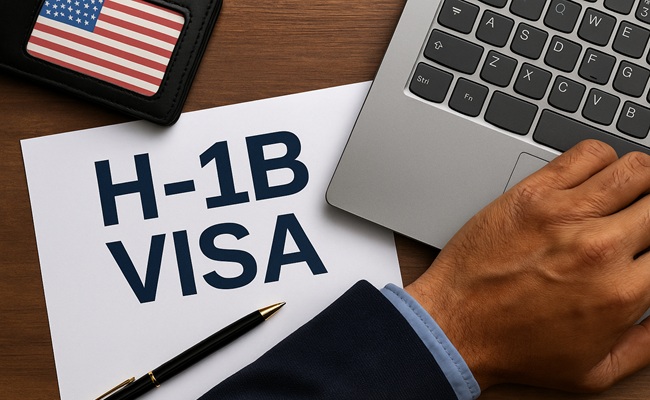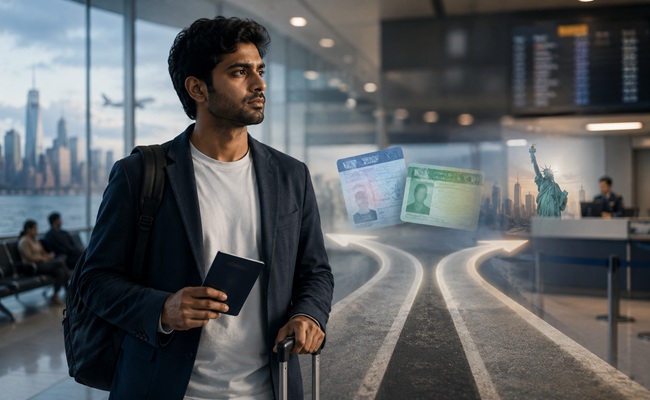
For decades, the traditional immigration path for skilled foreign workers was clear: enter the United States on an H-1B visa, get employer sponsorship for a Green Card, and eventually become a US citizen.
That route, once seen as a reliable path to an American passport, now looks far more uncertain than it did a decade ago.
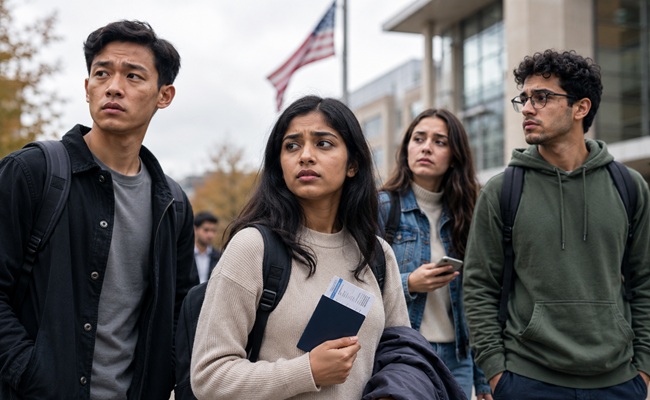
The biggest concern is not just getting into the US. For many Indian professionals, the real struggle begins after entering the country.
The H-1B lottery system has become more organised over the years, but the road from temporary work visa to permanent residency has become longer, slower and more unpredictable.
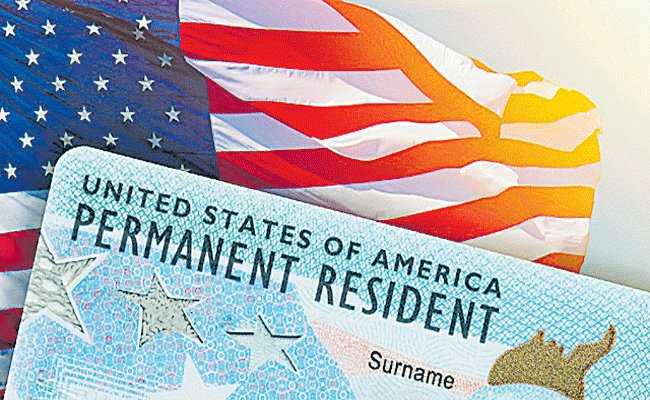
One of the biggest problems is the massive Green Card backlog. Skilled workers from countries such as India face extremely long waiting periods because of country-wise limits on employment-based Green Cards.
As a result, many professionals spend years, and sometimes decades, in temporary status despite living and working legally in the US.
This has created a strange situation where many H-1B workers remain “permanent temporary residents.” They build careers, buy homes, pay taxes and raise families in America, but still do not have the certainty that comes with permanent residency.
Recent policy changes and clarifications have added to the anxiety. New rules and interpretations around Green Card processing have raised concerns that some temporary visa holders may be asked to complete the process from outside the United States.
Though officials have clarified that many workers who provide economic value or serve the national interest may still be allowed to remain in the US, confusion continues among immigrants and employers.
For H-1B workers, this uncertainty is particularly serious. A job loss can quickly become an immigration crisis.
Most laid-off H-1B workers get only a limited grace period to find another sponsoring employer. If they fail to do so, they may have to leave the country.
The pressure is even more intense for Indian tech workers, who form the largest share of H-1B visa holders in the US.
Many entered America with the belief that hard work, steady employment and employer sponsorship would eventually lead to citizenship. But the waiting period has become so long that the dream now feels less secure.
Ad: Pickles made to order- Free shipping on 3 kg
Families are also affected. Children of H-1B workers, often called “documented dreamers,” may age out of dependent visa status before their parents receive Green Cards. This forces families into difficult decisions about education, relocation and long-term settlement.
The uncertainty has also changed how many professionals look at their future. Some are exploring alternatives such as Canada, Europe, the Middle East or returning to India.
Others continue to remain in the US, hoping that immigration reforms will eventually reduce the backlog and create a clearer path to permanent residency.
Employers are also watching the situation closely. For US companies, especially in technology, healthcare, engineering and finance, skilled foreign workers remain an important part of the workforce. But if the path from H-1B to Green Card becomes too uncertain, America may find it harder to retain global talent.
The old promise of the US immigration system was stability. A skilled worker could enter legally, contribute to the economy, follow the rules and eventually earn permanent residency and citizenship.
Today, that promise looks weaker.
The H-1B visa still opens the door to the United States. But for many Indians, the journey from that door to a Green Card and finally to a US passport has become longer, riskier and far less predictable.