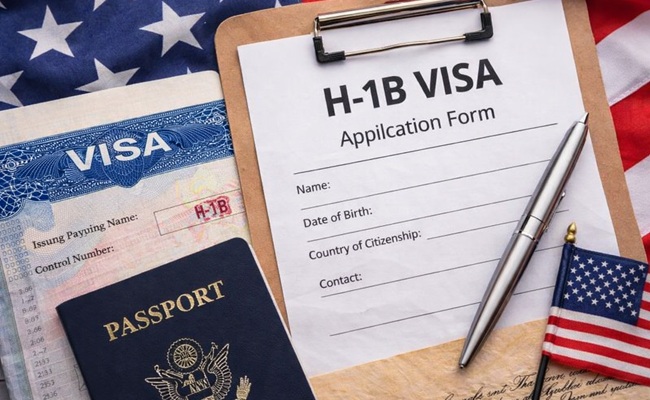
Indians continue to dominate the H-1B visa programme, accounting for nearly 70 per cent of all approved petitions in the 2025 fiscal year.
However, a new US Citizenship and Immigration Services report reveals a bigger trend: H-1B workers are becoming more highly educated, better paid and increasingly concentrated in technology jobs.
China remained the second-largest source country, accounting for around 12 per cent of approved beneficiaries.
The report shows that a master’s degree is increasingly becoming the standard qualification for H-1B professionals. Around 58 per cent of approved beneficiaries held a master’s degree or higher, compared with 46 per cent in the previous fiscal year.
Bachelor’s degree holders accounted for 31 per cent of approvals, while around 4 per cent had doctoral degrees. The numbers indicate that US employers are increasingly using the visa programme to hire professionals with advanced and specialised qualifications.
Experts believe the trend is being driven by rising demand for skills in artificial intelligence, cloud computing, semiconductor design, biotechnology and advanced engineering.
The report also shows that many H-1B workers are earning strong salaries. Professionals with specialised professional degrees recorded the highest median annual compensation at $205,000. Bachelor’s degree holders earned a median salary of $132,000, while doctorate holders recorded a median compensation of $105,000.
Technology remained the biggest user of the programme. Out of 406,348 H-1B petitions approved during fiscal 2025, around 252,088, or 62 per cent, were for computer-related occupations.
A major share of approvals was also linked to continuing employment rather than first-time applicants. This suggests that American companies are retaining experienced foreign professionals for several years instead of using the programme only for short-term hiring.
For Indian workers, long green card backlogs are another reason many remain in H-1B status for extended periods.
The findings come amid a heated political debate in the United States. Critics claim that the programme can reduce wages or replace American workers, while business groups argue that it helps companies fill shortages in highly specialised fields.
However, the latest USCIS figures show that the programme is largely concentrated among highly qualified professionals working in skilled and well-paid roles.
The report also highlights the continued importance of Indian engineers and technology professionals to the American economy, even as the H-1B programme faces tougher scrutiny and policy changes.