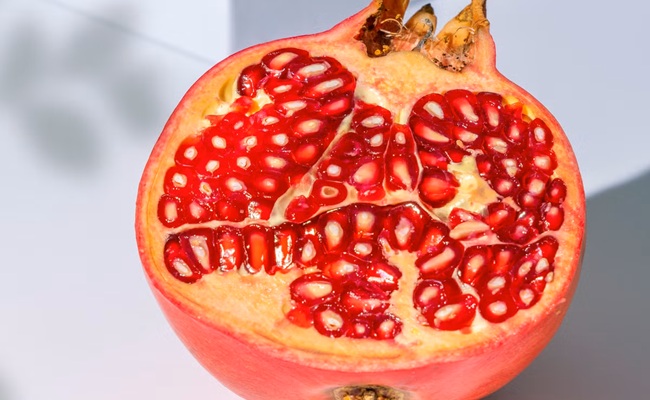
We have all heard the old saying, “An apple a day keeps the doctor away.” Now, there is an interesting new finding that could give the humble pomegranate some attention. Scientists have found that a compound linked to pomegranates may help improve heart function.
The compound is called urolithin A. It is produced by the body when certain gut bacteria break down substances found in foods such as pomegranates, walnuts and some berries.
The research, from King’s College London, looked at heart failure with preserved ejection fraction, or HFpEF. In this condition, the heart can still pump blood, but the muscle becomes stiff and does not relax properly.
In animal models, urolithin A improved some measures of heart function by up to 80 per cent. It also reduced scarring of heart tissue and prevented abnormal enlargement of heart muscle cells.
Researchers even tested the compound on specially engineered human heart tissue made from stem cells. That tissue showed better relaxation after treatment.
But there is an important catch. This does not mean eating one pomegranate every day will improve a person's heart function by 80 per cent. The study is still experimental. The human-tissue experiment was done in a laboratory, not in people with heart failure.
Also, our gut bacteria differ, so everyone may not produce the same amount of urolithin A from food. Researchers say clinical trials in humans are still needed.
So, for now, don't replace medicines or medical advice with pomegranates. But adding fruits and vegetables to a balanced diet remains a sensible way to support heart health.