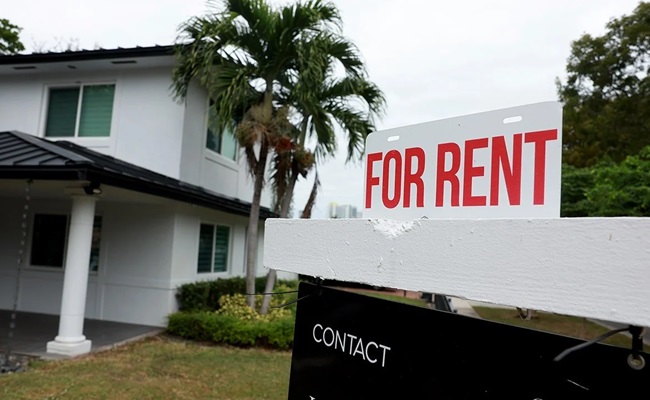
Indian cities have seen growing concerns over property encroachments. Open plots are not the only targets. Houses and flats can also become difficult to recover when rental disputes turn into long legal battles.
For many owners who hear about such cases, giving a house on rent now comes with anxiety. A tenant may pay rent regularly for a few months. Then, suddenly, the payments may stop. Financial problems are often given as the reason.
An owner may wait for three or four months, hoping the situation will improve. But when the owner finally asks for the pending rent or requests the tenant to vacate, the dispute can take a different turn.
In some cases, tenants approach courts, claiming harassment or unlawful eviction attempts. Once a legal dispute begins, owners may find themselves unable to take direct action. They must follow the legal process. In many cases, tenants may continue living in the property without paying any rent to the owner.
This can leave owners feeling helpless. Even a genuine property owner may have to spend considerable time and money defending their rights. Delays can make the situation more stressful.
Some owners claim they eventually sold their properties at heavily discounted prices because they could not see a quick end to the dispute. In extreme cases, they say properties were sold for a fraction of their perceived market value.
Only owners with strong political connections or other forms of influence may be able to successfully deal with such litigant tenants and recover their properties.
This does not mean that every tenant is problematic. Most tenants and owners maintain healthy relationships. However, the possibility of a litigant tenant cannot be denied.
A proper rental agreement is essential, but paperwork alone may not prevent every dispute. Owners also need to verify tenants carefully, maintain records, and understand the legal steps required before taking action.
This is where professional property management companies could play an important role. They can handle tenant screening, agreements, rent collection, documentation, and communication while helping owners respond through proper legal channels.
Indian cities therefore need a stronger, faster, and clearer rental-dispute system. Owners need protection from misuse of the process, while tenants need protection from unlawful eviction. A fair system must protect both sides.