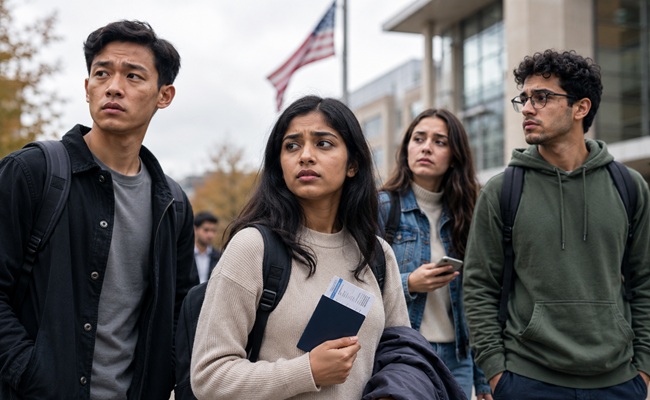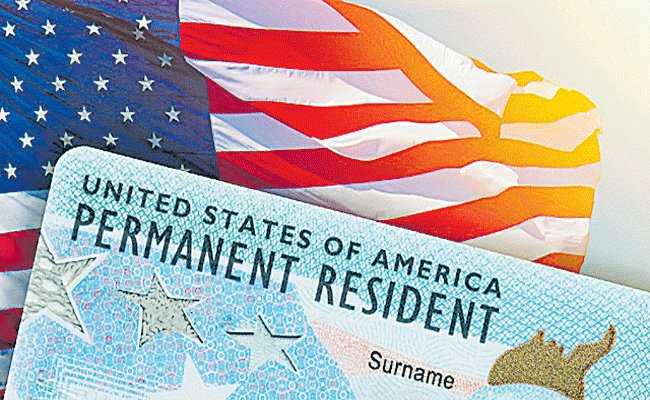
The American dream is turning into a nightmare for thousands of Indian tech professionals in the United States.
A Reddit post by an Indian tech engineer in the US recently went viral after he claimed that he had applied for more than 1,500 jobs in the last few months but did not receive even a single interview call.
The data engineer, who has been on an H-1B visa for the past three years, said his current company had decided not to renew his H-1B application.
His post struck a chord with many Indians in similar situations, with several of them sharing their own stories of job loss, visa fear and growing uncertainty.
The crisis now appears to be much bigger than isolated social media posts.
According to tech hiring and consulting firm Xpheno, more than 15,000 Indian tech professionals returned from the US to India in 2025. Another 7,300 have already returned this year.
The firm warned that the situation is getting worse and that the number of Indian tech workers returning home could soon overtake the number moving to the US.
For years, the H-1B visa was seen as the golden ticket for Indian engineers. Every year, the US issues 85,000 H-1B visas to skilled foreign workers, and Indians have traditionally received the lion’s share.
In 2025, Indians reportedly received around 78 percent of all H-1B visas, up from the previous year.
Many global tech leaders, including Microsoft CEO Satya Nadella, Google CEO Sundar Pichai and Tesla chief Elon Musk, also took the skilled immigration route to build their careers in the US.
But that path is now becoming tougher than ever.
The Trump administration’s strict immigration policies, the rise of artificial intelligence, massive layoffs in the tech industry and a slowing economy have created a perfect storm for Indian professionals in America.
In September 2025, President Donald Trump shocked the tech world by announcing a steep hike in the H-1B visa fee to $100,000.
He said the move was aimed at stopping misuse of the programme and preventing companies from replacing American workers with cheaper foreign labour.
The decision has caused panic among Indian techies and students hoping to enter the US job market.
While US companies may still prefer skilled foreign workers for specialised roles, the huge cost of sponsorship is expected to make employers more cautious.
Ad: Pickles made to order- Free shipping on 3 kg
At the same time, H-1B approvals have reportedly fallen even as applications increased last year. This year, the US Department of Homeland Security has received far fewer applications compared to 2025, indicating that the new fee structure has already started affecting demand.
The bigger fear, however, comes from job cuts.
More than 160 technology companies have cut at least 1.16 lakh jobs, according to layoff trackers.
Meta has started firing around 10 percent of its workforce. Coinbase, Block, Snap, Cisco, Oracle, Microsoft and Amazon have also announced major cuts.
While many of those affected are American workers, Indian H-1B employees face a far more dangerous situation. If they lose their jobs, they usually have only 60 days to find another employer willing to sponsor their visa. If they fail, they must leave the country.
For families with children, home loans and dependents in India, this has created enormous pressure. Some Indians are taking low-paying non-tech jobs just to survive while searching for another tech role.
AI has added another layer of fear. Several companies say they are cutting jobs to invest more in artificial intelligence.
Meta, for example, is spending heavily on AI infrastructure and data centres. But critics say some companies are using AI as an excuse to cut costs and remove employees hired during the pandemic boom.
Indian students are also feeling the heat.
For years, Indian students formed the largest group of foreign students in American universities. But fresh data shows that F-1 student visa approvals for Indians have dropped sharply.
The Trump administration is also planning restrictions on the Optional Practical Training programme, which has long helped Indian students gain work experience and move towards H-1B jobs.
The political climate has also turned hostile in some states. In Texas, Governor Greg Abbott directed public universities and state agencies to stop processing new H-1B applications.
The move came as a shock because Texas has one of the largest H-1B populations in the US after California.
Green card delays are another major headache. Indians account for a huge share of the employment-based green card backlog. Many have spent years, even decades, waiting for permanent residency.
Unlike Chinese professionals returning to a booming domestic tech ecosystem, Indian returnees face a difficult job market back home.
Hiring demand in India’s tech sector has reportedly dropped to a 28-month low, making reintegration harder for those coming back from the US.
Big investments by companies like Google and Microsoft in India offer some hope, but they may not be enough to absorb the thousands of professionals returning from America.
For Indian tech workers, Silicon Valley once represented security, success and status. Today, it has become a place of visa stress, job uncertainty and sudden exits.
The American dream is no longer looking as safe as it once did.