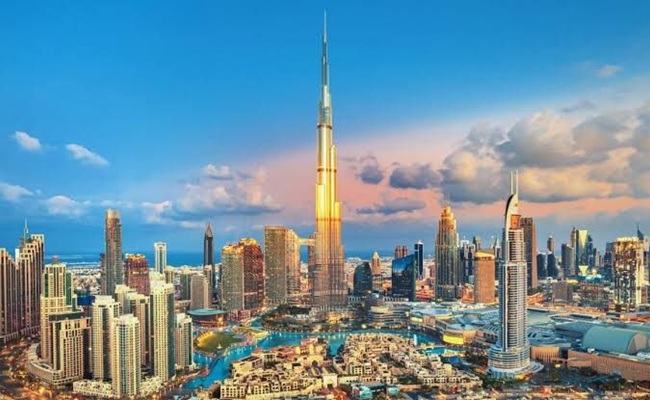
Dubai has long been seen as a symbol of growth, luxury and business confidence. However, the current economic climate presents a different picture.
Rising geopolitical tensions in the Middle East, uncertainty caused by the Iran-US-Israel conflict, and rapid changes brought by artificial intelligence are creating new challenges for the emirate's economy.
The real estate sector is one of the biggest examples. Property prices remain high despite a noticeable slowdown in buyer interest.
Instead of reducing prices, many developers are extending payment plans by offering more months of zero percent EMI. This strategy reflects their determination to maintain property values rather than trigger a market correction.
The UAE leadership believes that a sharp fall in real estate prices could damage investor confidence and take years to recover.
Tourism, another pillar of Dubai's economy, is also under pressure. Hotels in several areas are reportedly witnessing lower occupancy, yet room tariffs have not fallen significantly.
Businesses appear to be protecting their pricing even at the cost of lower demand, hoping that market conditions will improve.
The financial environment is also changing. The UAE built its reputation as a low-tax destination, attracting businesses and professionals from around the world.
However, the introduction of a five percent VAT across many sectors, along with charges on services such as vehicle parking and other public facilities, reflects the government's effort to diversify revenue sources and strengthen public finances.
Dubai's entertainment industry is feeling the impact as well. Events that once attracted generous corporate sponsorships are finding it harder to secure funding.
Many companies are facing cash flow constraints due to slower business activity and uncertainty driven by AI-led restructuring. Under such conditions, marketing and sponsorship budgets are often the first to be reduced.
Despite these challenges, the UAE leadership continues to project confidence rather than panic. Instead of reacting impulsively, it is choosing stability, long-term planning, and optimism.
Whether this strategy will deliver the desired results remains to be seen but Dubai's history suggests that resilience has often been one of its greatest strengths.