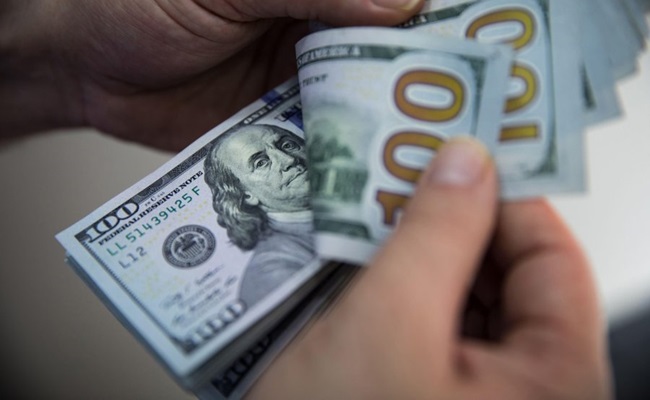
The world’s richest families are slowly reducing their exposure to the US dollar, as geopolitical tensions, rising US debt and concerns over the dollar’s future strength force them to rethink their investment strategies.
According to a UBS survey of global family offices, many wealthy families now feel they may be overexposed to dollar-denominated assets. This has led them to review their portfolios and look for more balanced investment options across different regions.
For decades, the US dollar has been the world’s most trusted reserve currency. Wealthy families, institutions and investors across the globe parked large portions of their money in dollar-based assets, including US stocks, bonds, real estate and private investments.
But that confidence is now facing some pressure.
The UBS report said nearly two-thirds of surveyed family offices expect confidence in the dollar as a reserve currency to weaken over the year. Around half of them reportedly concluded that they had too much exposure to the US currency across asset classes.
This does not mean wealthy families are completely moving away from America. The US remains one of the most important markets in the world. However, the trend shows that rich families no longer want their fortunes to depend too heavily on one currency or one economy.
Many family offices are now looking more closely at Asia Pacific and Western Europe. They are also showing interest in emerging market stocks and infrastructure investments, while reducing exposure to some real estate holdings.
The shift is part of a broader move towards diversification. With wars, trade tensions, political uncertainty and rising sovereign debt becoming major concerns, family offices are trying to spread their risks across multiple countries and currencies.
Geopolitical conflict has now emerged as one of the biggest worries for wealthy families. To manage this risk, some family offices are also adopting what is called a “multishoring” strategy. This means setting up operations and investments across different jurisdictions instead of depending on a single country.
Interestingly, this trend is not limited only to families outside the United States. The report suggested that even a small section of US-based family offices is showing signs of reducing dollar concentration.
The UBS survey covered 307 clients worldwide, with participating families having an average net worth of $2.7 billion. This shows that the shift is being discussed at the highest levels of global private wealth management.
For Indian wealthy families and NRIs, the trend carries an important message. Investing abroad, especially in US assets, has become popular in recent years. But global uncertainties now make it necessary to think beyond simple dollar exposure.
Experts say the key lesson is not to panic, but to diversify wisely. The dollar may continue to remain powerful, but blindly depending on one currency or one market can expose families to future risks.
The larger message is clear: even the richest families in the world are no longer taking the dollar’s dominance for granted. In a changing global order, wealth protection is becoming as important as wealth creation.