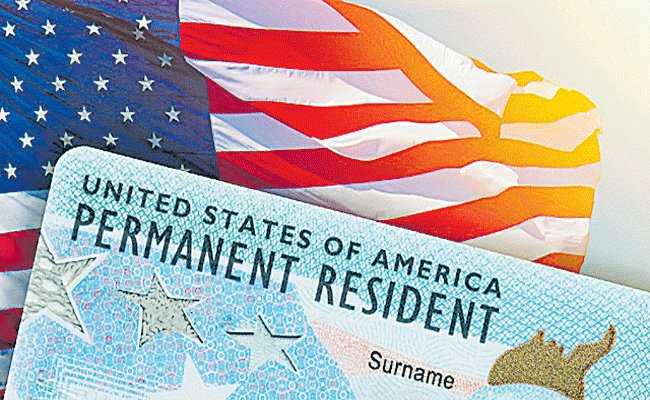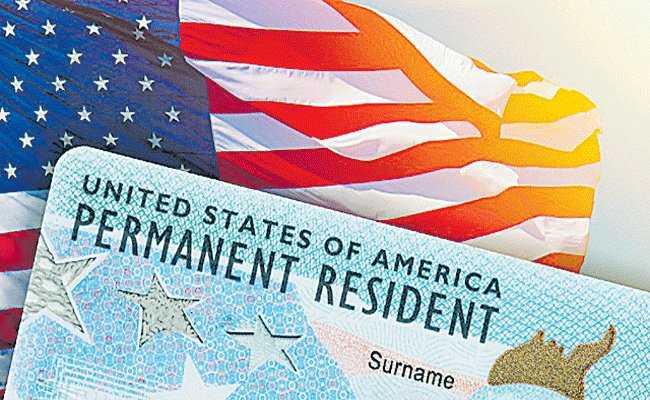
Indian technology professionals seeking a faster route to a US green card are facing a tougher environment, with approval rates for the EB-1A category dropping sharply in fiscal year 2026.
EB-1A is meant for people with “extraordinary ability” in fields such as science, technology, business, education and the arts. Unlike many employment-based green card routes, applicants can self-petition without requiring an employer sponsor.
According to data from Boundless Immigration based on USCIS figures, Indians filed 14,250 EB-1A petitions in FY2025, of which 6,993 were approved and 1,474 denied.
In the first two quarters of FY2026, Indians filed 7,316 petitions, with 2,571 approvals and 1,131 denials, indicating a significant drop in approval rates compared with the previous year.
Immigration experts cited by The Economic Times said Indian applicants have been among the hardest hit by the tighter adjudication environment.
The broader EB-1A trend also shows greater scrutiny. Separate FY2026 data indicates that the overall EB-1A approval rate fell to about 41.7% in the second quarter, compared with roughly 66.9% for FY2025 as a whole.
For Indian tech professionals, the development is particularly important because EB-1A has increasingly been seen as an alternative to the heavily backlogged EB-2 and EB-3 green card categories.
But getting an EB-1A petition approved does not mean an Indian applicant immediately receives a green card.
India remains subject to a backlog under the broader EB-1 category, meaning applicants may still have to wait for their priority date to become current before permanent residence can be granted.
The latest numbers suggest that the route remains open, but the bar is becoming harder to clear.
For Indian techies who had viewed EB-1A as a faster escape from the long green card queue, strong technical experience alone may no longer be enough; applicants increasingly need a carefully documented record of extraordinary achievement and recognition.