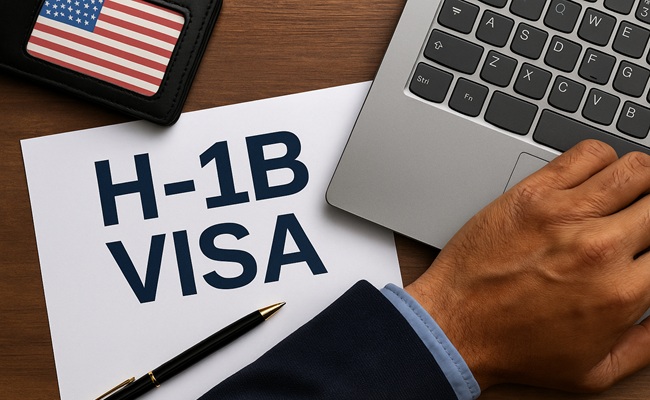
The United States has started a major investigation into fraud in the H-1B and PERM visa programmes.
The H-1B visa allows US companies to hire skilled foreign professionals when suitable local workers are not available. Thousands of Indian engineers, software professionals, doctors and other skilled workers use this visa to work in the US.
Officials are now examining fake job offers, false visa applications, unpaid benching and illegal wage kickback schemes. They suspect that some employers and labour brokers have been misusing the system for financial gain.
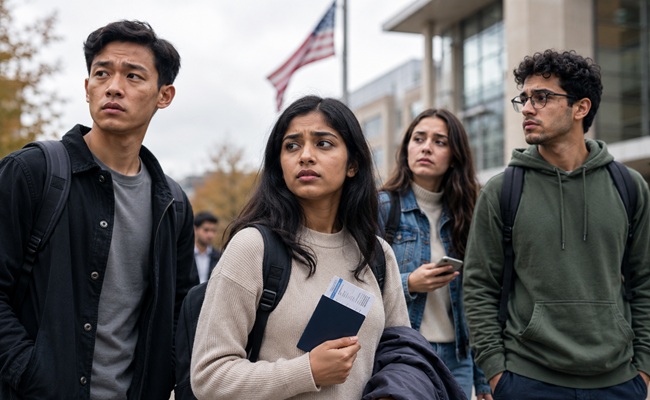
The investigation is important because Indians receive the largest share of H-1B visas every year. If fraud is found on a large scale, even genuine workers may face stricter checks and longer waiting periods.
Companies may also become more careful while hiring Indian professionals. This does not mean honest applicants will lose their visas. It simply means authorities will verify applications more thoroughly before granting approval.
Officials say some companies created jobs that did not actually exist only to obtain visas. Others allegedly submitted false information about salaries or work details.
In some cases, workers reached the US but were told there was no project available. They were asked to wait without receiving any salary. This practice, known as benching, is illegal.
Some employers are also accused of wage kickbacks. They officially pay the salary promised in government records but later force employees to secretly return a part of that money. As a result, workers receive much less than they were legally promised.
The US government says the aim of the crackdown is to catch dishonest employers, protect foreign workers from exploitation and restore trust in the visa system.
Experts believe genuine professionals have little reason to worry if they have legitimate job offers and proper documents. However, Indian workers and IT companies are expected to face closer scrutiny during recruitment and visa processing as authorities work to eliminate fraud and make the H-1B programme fairer for everyone.
Some immigration experts warn that the biggest risk may not be immediate visa rejections but the long term impact on Indians as a whole.
If US authorities conclude that a significant number of H-1B fraud cases involve Indian employees and employers, future applicants from India could come under much greater suspicion.
This could lead to tougher background checks, stricter scrutiny during H-1B and Green Card processing, and more questions during citizenship applications.
Genuine professionals may still qualify, but they could end up paying the price for the actions of a few. That possibility has become the biggest concern for thousands of Indians hoping to build their careers and lives in the United States.