For many years, Indian families believed in a simple idea: study well, get a good degree, build strong technical skills, and a secure future will follow. That belief is still there, but today it is being tested.
Across families, students, and young professionals, a common concern is emerging. Many have done everything right; chosen practical courses, worked hard, gained degrees, internships, and skills. Yet, the opportunities they expected are not coming as easily as before.
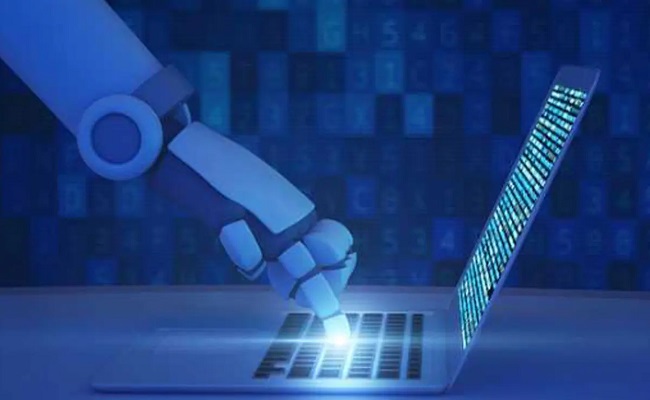
The world of work has changed. Artificial intelligence is part of this shift, but not in a simple “jobs are disappearing” way.
The real change is in what employers expect. Companies now want people who can adapt quickly, work across roles, use AI tools smartly, and take decisions in unclear situations.
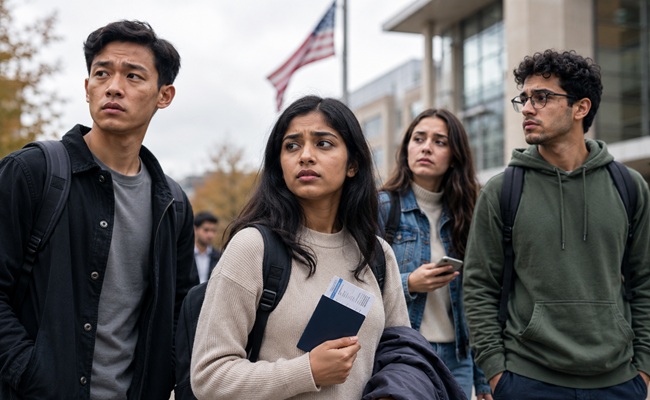
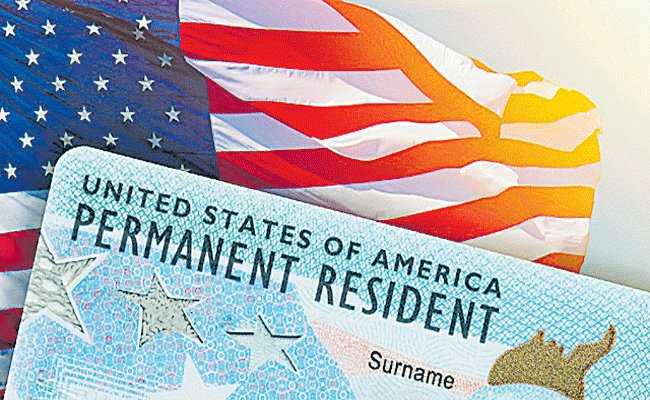
This has made the transition from education to employment more difficult. Entry-level jobs now demand experience, and internships have become highly competitive. For students going abroad, strict immigration rules have added more pressure.
For decades, countries like the United States benefited from Indian talent. Students from India studied, adapted, and entered the workforce, later becoming leaders, founders, and innovators. This created a strong cycle of opportunity and hope.
But that model is now under strain.
Technical skills like coding and analysis are still important, but they are no longer enough on their own. With AI tools handling routine tasks, the focus is shifting to something deeper.
Today, success depends on the ability to think clearly, solve real problems, connect ideas, and make sound decisions. Skills like communication, judgment, adaptability, and continuous learning are becoming more valuable.
This is why the term “soft skills” feels too limited. What matters now are deeper qualities — self-awareness, resilience, clarity of thought, and the ability to stay balanced in uncertain situations.
AI can provide answers, but it cannot decide which questions matter most.
This shift should concern education systems, especially in India. If students are trained only for traditional roles, there will be a growing gap between what they learn and what the market needs. The risk is not just unemployment, but a mismatch between talent and opportunity.
India has built a strong reputation through technical excellence and later through leadership and entrepreneurship. But the next phase may require something more; combining skills with judgment, intelligence with wisdom, and ambition with clarity.
This is not a decline, but a chance to evolve.
In the future, the real divide may not be between people who use AI and those who don’t. It may be between those who depend on it blindly and those who use it wisely while strengthening their human abilities.
That is the challenge before India and also its next big opportunity.