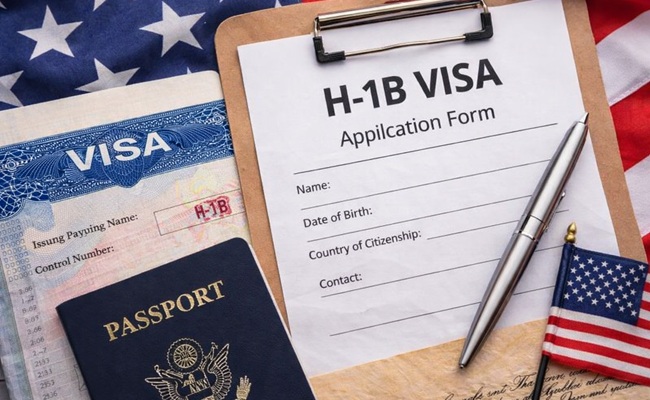
A major change could be coming for H-1B workers in the United States, with a Department of Homeland Security proposal seeking to eliminate the 60-day grace period currently available after a worker loses a job.
According to Bloomberg Law, the proposal has cleared review at the White House Office of Information and Regulatory Affairs, an important step before the rule is formally released for public review.
At present, H-1B workers who lose their jobs can generally remain in the US for up to 60 consecutive days, or until the end of their authorised stay, whichever is shorter. During this period, they can try to find a new employer, change status, or make other immigration arrangements.
The 60-day grace period has been in place since 2017 and has been particularly important for H-1B professionals in the technology sector, where layoffs can happen suddenly.
If the new proposal is implemented, H-1B workers could lose this cushion after termination of employment, making job loss far more risky from an immigration point of view.
For Indian professionals, who make up a large share of H-1B workers, the impact could be significant. Losing a job could leave much less time to find a new sponsor or shift to another lawful immigration status.
The proposal is part of a broader series of Trump administration measures aimed at tightening the H-1B programme. Bloomberg Law notes that the administration is also considering a new fee of more than $100,000 for certain new H-1B hires.
Importantly, the 60-day grace period has not been removed yet. The proposal has cleared White House regulatory review, but it still needs to be formally published and go through the rulemaking process before any final change can take effect.
For now, H-1B workers who lose employment still have the existing grace-period protection under current regulations.
But if the proposal becomes final, the message for H-1B workers will be clear: losing a job could immediately become a much bigger immigration risk, with far less breathing room to secure another employer or status.