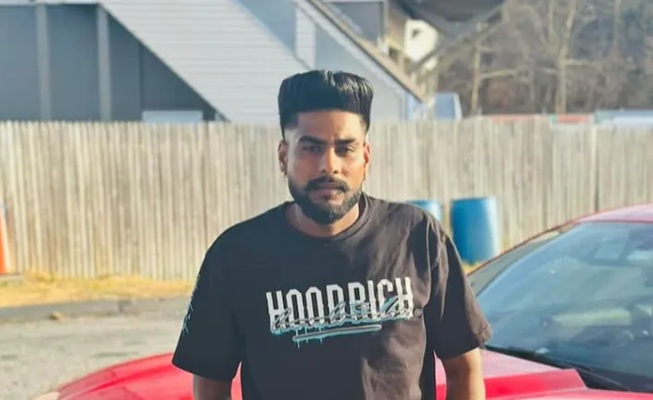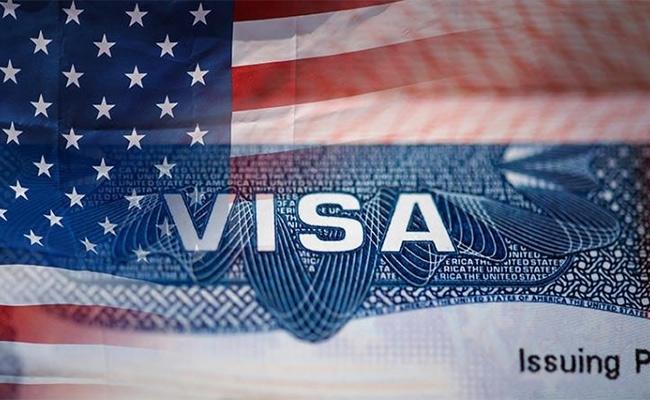
A recent case involving a traveller arriving in the US on a B1/B2 visitor visa has triggered concern among many Indians.
The traveller was reportedly detained by CBP officers at the airport and later denied entry.
Officers allegedly questioned him about whether he had worked during a previous US visit, including delivery-driver or gig work.
Working in the US is generally not permitted on a B1/B2 visa. So, suspected unauthorised employment can lead to denial of entry, even if the visa is valid.
Reports also said he was held for about three days with little or no communication with his family while CBP arranged his return flight.
This news is now frightening many Indian celebrities who are expected to attend upcoming Telugu conventions in the US.
It is a common practice for many Indian film celebrities and artists to attend Telugu events in the US on B1/B2 visas while receiving substantial payments either in India or after landing in the US, sometimes in dollars.
There have long been allegations that such payments are not always properly declared.
If any such issue comes to light, there is little doubt that authorities could take action. Even when there is no wrongdoing, officials may still question travellers about the purpose of their visit and whether they are being compensated.
Such scrutiny can become a major headache, and it may not always be easy to prove one’s case if an officer is overly suspicious, strict or difficult.
Keeping all this in view, many celebrities and artists are reportedly being advised to think twice before travelling to the US, especially for Telugu conventions, on B1/B2 visas.
Generally, music artists and performers who are being paid for their performances travel on a P-3 performer visa, which is issued for a specific purpose and period and allows them to earn money legally in the United States.
A B1/B2 visa, on the other hand, is primarily meant for tourism or certain limited business activities and is not intended for regular paid performances or employment.