Does Telugu cinema sometimes resist a film simply because it refuses to behave the way a familiar genre is expected to?
That question becomes interesting while looking at Secret Soldier, directed by newcomer Akki Viswanadha Reddy. Some of the screenplay choices that have been interpreted as uneven or even silly begin to read differently when the film’s point of view is considered.
The film does not narrate everything from one objective perspective. It moves through three different perceptions, and the tone changes accordingly.
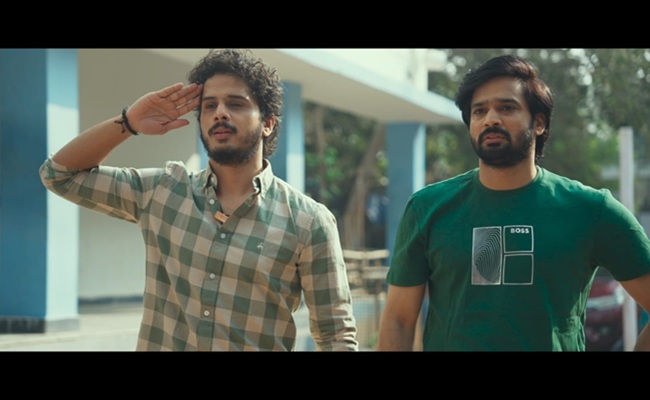
The Nellore flashback, for instance, is largely Pridhvi’s perception of Vali. Naturally, Vali appears more comic, eccentric and lighter because that is how Pridhvi remembers and sees him.
But when the film later enters Vali’s own emotional space, the same character acquires a completely different weight. What looked funny from outside becomes painful from within.
Akki extends this idea beyond writing into the camera language.
When Vali is searching for peace, the camera itself becomes less settled, using movement to reflect his disturbed inner state.
But during his journey with Bhaktal, the visual grammar changes. More controlled, steady blocking is used to suggest a colder and more calculated psychology.
Then comes another perspective, built around reaction, accusation and the human tendency to search for someone to blame when circumstances collapse.
This is where Secret Soldier deliberately sits at odds with conventional genre expectations. It moves between humour, emotion, psychological drama and espionage instead of maintaining one uniform tone.
That may not work for every viewer. But calling every tonal shift inconsistent can also miss what the screenplay is attempting.
Perhaps the more interesting question is not whether Secret Soldier strictly follows the rules of a spy thriller.
It is whether a filmmaker should be required to follow those rules at all.