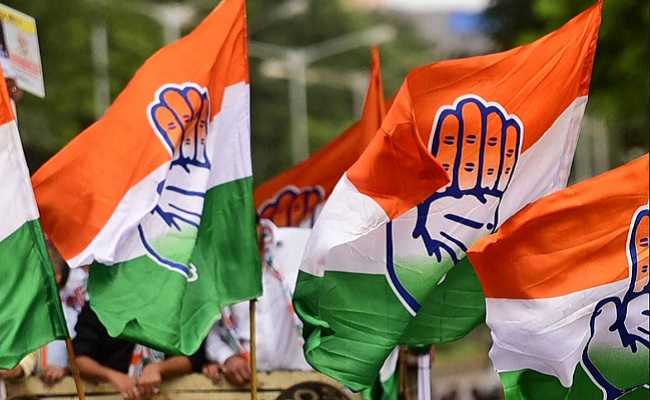
There is a general perception among the public, particularly political analysts, that the Congress does not always need an opposition party to defeat it when it is in power. Internal rivalries and factional disputes among its own leaders often weaken the party from within.
A similar situation appears to be unfolding in the Telangana Congress. Growing differences between the state government, the party leadership and various factions within the organisation have raised questions about internal unity ahead of future electoral challenges.
The debate gained momentum after the announcement of a coordination committee aimed at improving communication between the Congress government and the party organisation.
Telangana Pradesh Congress Committee president Mahesh Kumar Goud recently said the committee would meet once every 45 days and that major government decisions would be taken after consultation with it. The move appeared to be an attempt to institutionalise coordination between the government and the party.
However, senior minister Ponguleti Srinivasa Reddy later played down the issue, describing the differences as merely “a family dispute between brothers” rather than a serious confrontation.
Although his remarks were intended to reassure party workers, they were widely interpreted as an acknowledgement that differences do exist.
Adding to the speculation, senior Congress leader T Jagga Reddy said he remained in regular contact with Rahul Gandhi and hinted that he had his own political strategy, which he would reveal in November. His comments have fuelled speculation about possible organisational changes within the party.
Meanwhile, Munugode MLA Komatireddy Rajagopal Reddy made provocative remarks, saying that if he was not given a ministerial berth, he would directly aspire to become Chief Minister.
He has also continued to conduct independent review meetings and public programmes, attracting considerable political attention.
Reports of friction involving Endowments Minister Konda Surekha and some of her Cabinet colleagues, along with differences between Dalit MLAs and the Komatireddy brothers, have further strengthened the perception of factionalism within the ruling party.
Political discussions have also centred on Congress leader Meenakshi Natarajan, whose growing organisational role has triggered speculation about her future political responsibilities.
Her reported nomination to the Rajya Sabha is said to have faced legal complications following objections linked to a case pending against her in Telangana. Opposition parties have highlighted the issue.
Further criticism has emerged over allegations that the Congress high command has imposed restrictions on the Chief Minister’s functioning in certain departments, limiting his administrative freedom.
Political analysts argue that such intervention could weaken the authority of the elected state leadership.
Observers have also pointed to delays in filling nominated posts, expanding the Cabinet and making appointments to vacant positions, describing them as signs of indecision within the party.
They warn that continued internal rivalries and excessive intervention by the central leadership could damage the Congress party’s electoral prospects, particularly against a resurgent Bharat Rashtra Samithi.