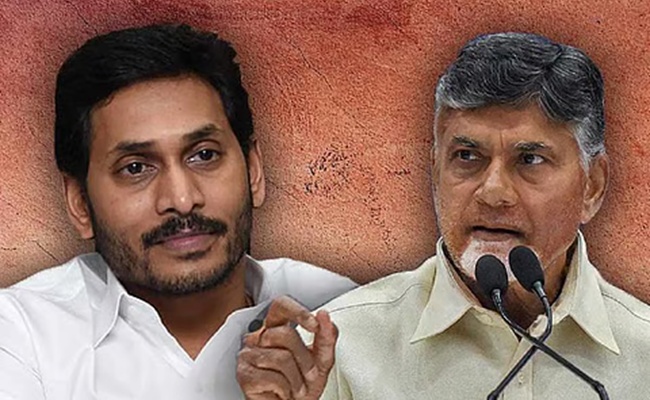
One of Y S Jagan Mohan Reddy’s biggest political mistakes was relying too heavily on Sakshi Media.
He appeared to believe that owning a newspaper and a television channel was enough to reach the public. This created a comfort zone around him, and he depended mainly on Sakshi for communication and political messaging.
Jagan did not seriously encourage other media organisations that were friendly towards him. He may have personally appreciated journalists or media owners who supported him, but he rarely gave them enough confidence, importance or encouragement.
At times, he even appeared to view friendly media organisations as competitors rather than allies. As a result, he failed to build a wider media network.
Chandrababu Naidu, on the other hand, followed a different strategy. He never launched his own newspaper or television channel. Instead, he built strong relationships with several media groups over the years.
Many of these organisations are now seen as supportive of Naidu and the Telugu Desam Party. They often defend him during political controversies and strongly promote the party’s views.
Whether such coverage represents good journalism is a separate debate. However, it clearly demonstrates the strength of the TDP’s media support system.
Sakshi faces another major limitation. Since it is directly owned by Jagan’s family, many neutral readers and viewers do not consider it an independent news organisation.
A large part of its audience consists of committed YSRCP supporters. This reduces its ability to influence neutral voters or people who do not already support the party.
In contrast, several newspapers and television channels perceived to be friendly to the TDP reach a much wider audience. Neutral voters are more likely to come across their reports, debates and opinions.
Over time, such coverage can shape public perception and influence political thinking.
The difference is clear. Jagan chose to operate his own media house, while Chandrababu Naidu chose to build influence across several media platforms without directly owning them.
In politics, the second model appears to have been more effective in reaching a broader audience.