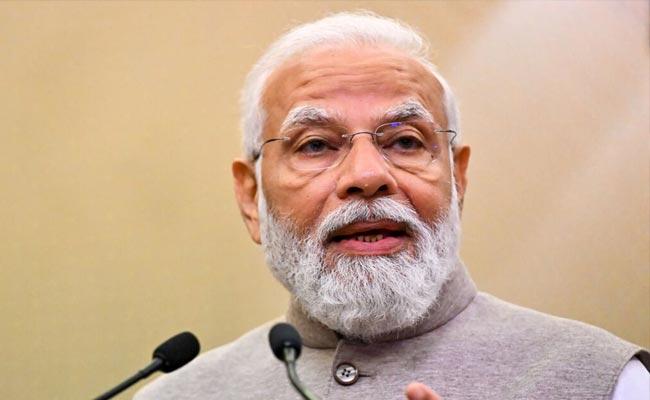
Many supporters of Narendra Modi dream of seeing him become India's longest continuously serving Prime Minister, surpassing Jawaharlal Nehru's record.
For that to happen, the BJP would need to win the 2029 general election, and Modi would have to remain in office for at least two more years.
March 9, 2031 will be the exact date Modi will hit 6,131 days, surpassing Nehru's total lifetime tenure, if at all he wins 2029 election.
That achievement would end the Congress Party's long association with the record for India's longest continuously serving Prime Minister.
Modi has already broken Indira Gandhi's record for the longest continuous single stretch in office. Her longest uninterrupted run was 4,077 days, which Modi surpassed in 2025.
To pass her absolute lifetime total of 5,829 days, Modi must serve until his 5,830th day. This milestone will arrive on May 12, 2030, which requires him to win the 2029 General Election.
However, the Cockroach Janata Party is emerging as a significant challenge by strongly influencing Gen Z voters through highly polarizing campaigns. This shift has created a new political battleground.
Modi rose to power by effectively using the strength of social media. After more than a decade in office, the same platforms are increasingly being used to criticize his government and shape public opinion against the BJP.
The growing influence of social media is evident from the BJP's strong reactions to online narratives.
Party leaders have even demanded that Meta CEO Mark Zuckerberg apologize over certain issues. That itself shows how powerful these platforms have become in influencing politics.
Unless the government develops an effective strategy to address the concerns of young people and reduce growing political hostility among them, the challenge for the BJP is likely to become even greater.
The recent victory associated with Prashant Kishor in a Bihar constituency that had remained a BJP stronghold for around 40 years suggests the psychological impact that CJP protests may be having on sections of the electorate.
The developments should therefore be viewed with caution. While social media and youth sentiment are becoming increasingly influential, they represent only some of the many factors that shape electoral results in India.