Gen Z represents the future of the nation. The country’s tomorrow will inevitably be in their hands. That is why their concerns, aspirations and voices deserve to be heard seriously.
Prime Minister Narendra Modi, speaking in a selfie video recently, said, “Sometimes the tongue comes between the teeth and gets hurt. But we do not blame the teeth and remove them, because both the teeth and the tongue are ours. Similarly, children are also our own. We need to resolve matters together.”
That is a meaningful message. However, students must also understand one important point: political fringe elements and extremist religious groups should be kept away from genuine student movements. They must remain cautious about those who claim to support them.
During the protests at Jantar Mantar, some individuals reportedly raised slogans against the Indian Army and made remarks that hurt the sentiments of a religious community.
Whether it is a CJP protest or a student demonstration over the NEET paper leak, if the cause is genuine, students should maintain their independence and prevent political parties or other interest groups from taking control of their movement.
Otherwise, the original purpose may be hijacked, the focus may be diluted, and the agitation could turn into a political battleground instead of leading to a solution. Gen Z students must remain alert to this possibility.
If the police use force against students when no fringe elements are involved, the entire nation will certainly stand against the government. At present, however, public opinion appears divided.
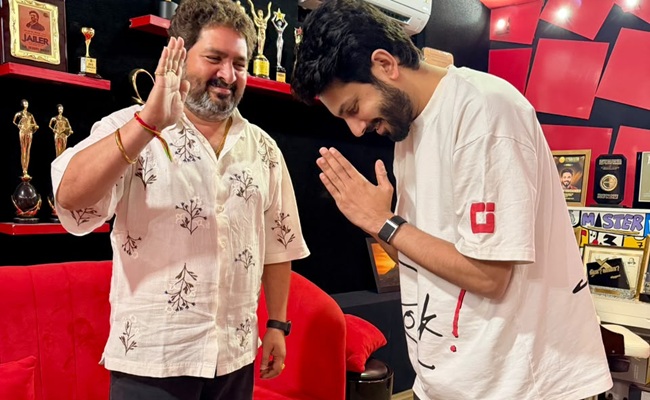
Actor Anupam Kher recently expressed a similar view. He said students have every right to question, protest and demand accountability from the government, but they should do so independently, without allowing politicians or fringe groups to exploit their movement.
The Prime Minister could also take this idea forward by creating a direct channel through which students and young people can publicly raise their concerns, ask questions and register protests.
Such a platform should ensure that legitimate grievances receive timely responses, and the process should remain publicly visible. If concerns are not addressed, people can then choose to intensify their protests through democratic means.
Parents, too, should encourage their children to use responsible online platforms to express genuine concerns and seek solutions before taking to the streets in a democratic manner.
Recently, a BJP functionary reportedly suggested that the social media accounts of protesters should be deactivated because arrests and imprisonment no longer intimidate them. That is a misguided approach.
Deactivating one account will simply lead to the creation of several new ones. Silencing people rarely eliminates the underlying issue.
The real objective should be to understand and address the frustration of students. The system must focus on resolving the causes of their anger instead of trying to suppress their voices through censorship or account deactivation.
One point deserves to be underlined. Whenever there is genuine Gen Z unrest over a legitimate issue, opposition parties, fringe organisations, international groups with vested interests and even hostile nations may attempt to enter the movement and use it for their own agendas.
Genuine student protesters must be aware of this reality. Not everyone who offers support does so out of concern. Some may have political, ideological or strategic interests that have little to do with the students’ original cause.
Gen Z should never underestimate its own strength. At the same time, it should never underestimate how quickly a genuine movement can be diverted by people pursuing agendas of their own.
Remaining independent, peaceful and focused is the best way to ensure that a legitimate cause achieves meaningful results.
Usha Chowdhary