India stands at an important stage in its economic journey. Our nation has emerged as one of the fastest growing economies in the world, supported by strong domestic demand, innovation, and global confidence.
However, rising imports, especially crude oil and gold, continue to place pressure on foreign exchange reserves and the value of the rupee.
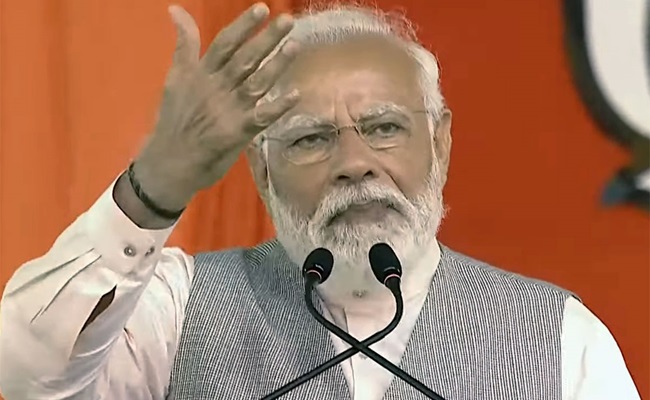
The Prime Minister has appealed the citizens to reduce excessive gold purchases in the national interest. This appeal deserves strong public support, but practically hard.
While gold has cultural and financial importance in Indian households, large scale gold imports increase dollar outflow and place additional pressure on the economy.
At this moment, India may consider introducing innovative and carefully controlled measures to strengthen dollar inflows into the country.
One possible approach is the creation of limited period investment incentive windows for Non Resident Indians and foreign investors.
Under this model, the Government of India can announce a short duration investment period, possibly for one week or one month, during which eligible investments receive temporary tax benefits or reduced capital gains taxation.
If this initiative is introduced properly, Non Resident Indians may become the first major contributors. Many NRIs already hold large dollar savings abroad and maintain strong emotional and financial connections with India.
If the government offers temporary capital gains tax relief on approved investments such as real estate projects, infrastructure funds, manufacturing ventures, or long term development bonds, many NRIs may be encouraged to bring substantial dollar investments into India.
For example, if an NRI invests dollars into approved Indian real estate or infrastructure projects and holds the investment for a fixed lock in period of one year or more, the government may consider partial or full capital gains tax exemptions upon sale. This can attract long term investment instead of speculative trading.
Additional benefits may also include simplified approval processes, faster property registration, lower transaction charges, easier repatriation rules and special infrastructure investment bonds with attractive interest rates.
Foreign investors who support job creating sectors such as renewable energy, semiconductor manufacturing, logistics, defense production and technology development can also receive policy incentives.
However, strict safeguards are necessary. Investments should remain locked for a fixed period to prevent sudden exits that may destabilize markets.
The scheme should also be introduced selectively during periods when India requires stronger dollar inflows.
India has the advantage of political stability, a growing economy and global investor confidence.
With disciplined planning and targeted incentives, our nation can attract more foreign currency, strengthen the rupee, increase infrastructure growth, and reduce external financial pressure.
This is an opportunity for India to combine economic patriotism with policy innovation and build stronger financial resilience for the future.
M Kasturi Srinivas, Hyderabad