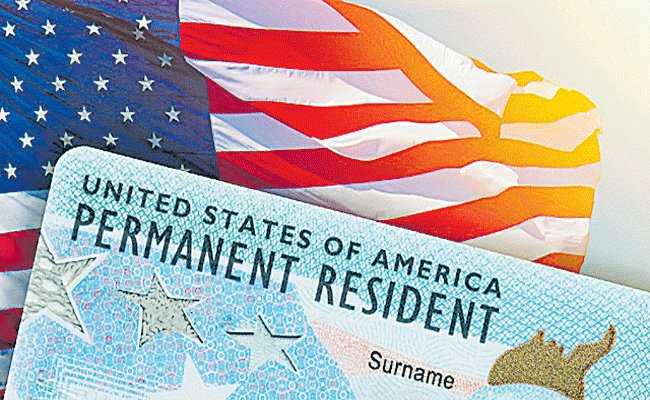
For years, the American Dream inspired thousands of Indian families. A degree from a top American university promised better jobs and a brighter future. Parents willingly invested their savings, while students accepted the pressure. Everyone believed the reward would justify the sacrifice.
That confidence is now under strain. Rising Optional Practical Training (OPT) fees and growing policy uncertainty are forcing families to think twice. Many are beginning to ask whether the journey is still worth the cost.
The biggest concern is not just money, but uncertainty. Families can manage expensive tuition if the path after graduation is clear. However, changing rules and unclear policies make long-term planning difficult.
Students today want more than the name of a prestigious university. They want confidence that they will have enough time to find a job and build a career. Without that assurance, the value of an American education begins to look different.
Parents are also becoming more practical. Many education loans run into lakhs of rupees, and repaying them depends on securing good jobs after graduation. Any uncertainty over employment opportunities increases the financial pressure on the entire family.
This change in thinking is understandable. Students now compare countries on more than academic rankings. They also examine immigration policies, work opportunities and long-term stability before making a decision.
This has created stronger competition for the United States. Countries such as Canada, Australia, Germany and Singapore are becoming attractive alternatives because they offer clearer post-study pathways. Students are increasingly willing to explore every available option.
American universities should take note. Indian students contribute significantly to classrooms, research laboratories and the technology sector. They are an important part of the country’s higher education system and economy.
If uncertainty continues, talented students may simply choose another destination. That would not only affect Indian families but could also reduce America’s ability to attract some of the world’s brightest young minds.
The American Dream is still alive, but it now comes with more questions than before. Families are looking for stability, transparency and predictable policies. Prestige alone is no longer enough. Today, opportunity matters just as much as the degree itself.
Madhunandan Akkishetty