Prime Minister Narendra Modi’s message urging people to save money and spend responsibly has triggered a nationwide discussion.
Across social media, citizens have started questioning why such financial discipline and cost-cutting measures cannot begin with ministers and public representatives themselves, especially after years of massive spending on convoys, luxury travel and VIP culture.
Responding to this growing public sentiment, several ministers and leaders have now started setting examples through simpler and more economical practices.
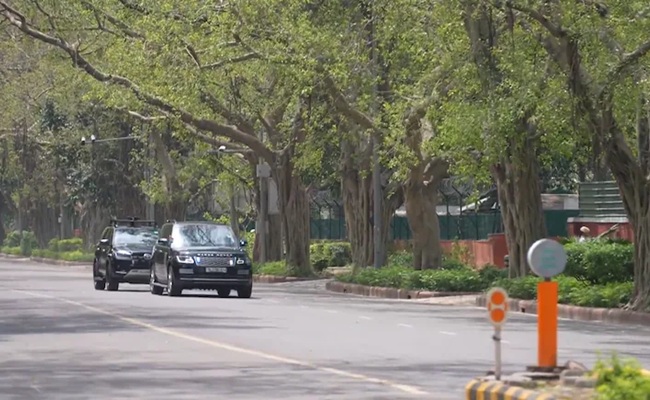
Recent images of ministers travelling in ordinary cars, MPs cycling to Parliament, MLAs walking to the Assembly, leaders avoiding private aircraft and officials choosing video conferences over expensive foreign trips have sparked an important public debate.
People are now naturally asking: if such cost-effective and simple practices are possible today, why were they not implemented all these years?
For decades, huge amounts of public money have been spent on luxury convoys, chartered flights, unnecessary foreign tours, excessive security arrangements, lavish guest houses and VIP culture.
While millions of ordinary citizens struggled with unemployment, poor healthcare, rising prices and inadequate public infrastructure, governments across political parties continued spending taxpayers’ money on comforts and privileges for ministers and public representatives.
This has created a painful contrast between the lives of rulers and the people who fund the system.
The present shift towards simplicity exposes how much avoidable expenditure may have taken place over the years. If ministers can attend meetings through video conferences today, why were crores spent earlier on luxury travel?
If elected leaders can travel by train, bicycle or regular vehicles now, why were taxpayers burdened for decades with extravagant arrangements?
Public money is not meant for political luxury. It is meant for roads, public hygiene, schools, hospitals, pensions, farmers, workers and the welfare of the needy.
Many developed countries have long shown that leaders can live simply without weakening governance. In fact, simplicity often increases public respect and trust. Citizens admire leaders who understand the value of every rupee collected from taxpayers.
However, an important question remains unanswered: will this simplicity continue permanently, or is it only temporary symbolism for public image or a situational crisis?
True reform will be meaningful only if financial discipline and accountability become permanent features of governance, rather than occasional displays for headlines and social media.