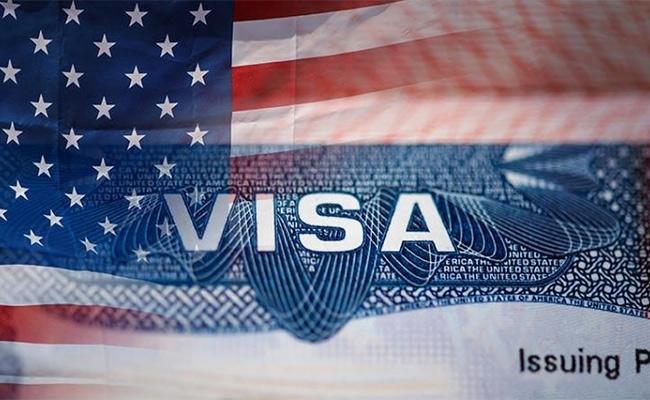
Thousands of U.S. visa applicants across the world have received emails informing them that their upcoming visa appointments have been cancelled and will be rescheduled only after September 1, 2026.
The cancellations have affected several categories of non-immigrant visa applicants, including students, workers and tourists, triggering widespread concern at a time when the U.S. State Department has already announced a series of tougher visa-related measures.
Reports of cancellations have emerged sporadically from multiple countries rather than from one particular region.
One applicant said on Reddit that the non-immigrant visa unit at the U.S. Embassy in Saudi Arabia informed them that their scheduled interview had been cancelled and could not be accommodated until after September 1. The applicant was also advised that they could apply at a U.S. embassy or consulate in their country of nationality.
According to a report in The New York Times, the cancellations followed instructions from the State Department directing embassies and consulates worldwide to reschedule certain visa interviews while consular officers undergo training on a more restrictive visa policy.
The training sessions are reportedly being conducted this week, prompting the State Department to issue the instruction to consular posts on Monday.
As part of the training, consular officers are expected to receive updated guidance on assessing immigrant visa applicants who may be considered likely to depend on government assistance after entering the United States.
The State Department reportedly said that it had launched a global training initiative at U.S. embassies and consulates in early August and that visa appointments would be adjusted to accommodate the intensive training programme.
The sudden cancellation emails have caused anxiety among applicants, particularly because a similar rescheduling exercise in December 2025 created significant disruption and appointment backlogs.
That earlier rescheduling was linked to the introduction of expanded social media vetting requirements for certain visa applicants, including H-1B visa holders.
Separately, the Trump administration is also reportedly reviewing visas issued to foreign nationals who originally entered the U.S. for tourism or business and later applied for asylum.
The State Department is said to be examining B1 and B2 visas in such cases, with up to 200,000 people potentially affected by any large-scale revocation programme.
However, visa revocation would not automatically mean that asylum applicants become undocumented, as their immigration status would depend on their individual asylum proceedings and other applicable legal protections.